PRP Therapy for Neck Pain in Charlotte, NC
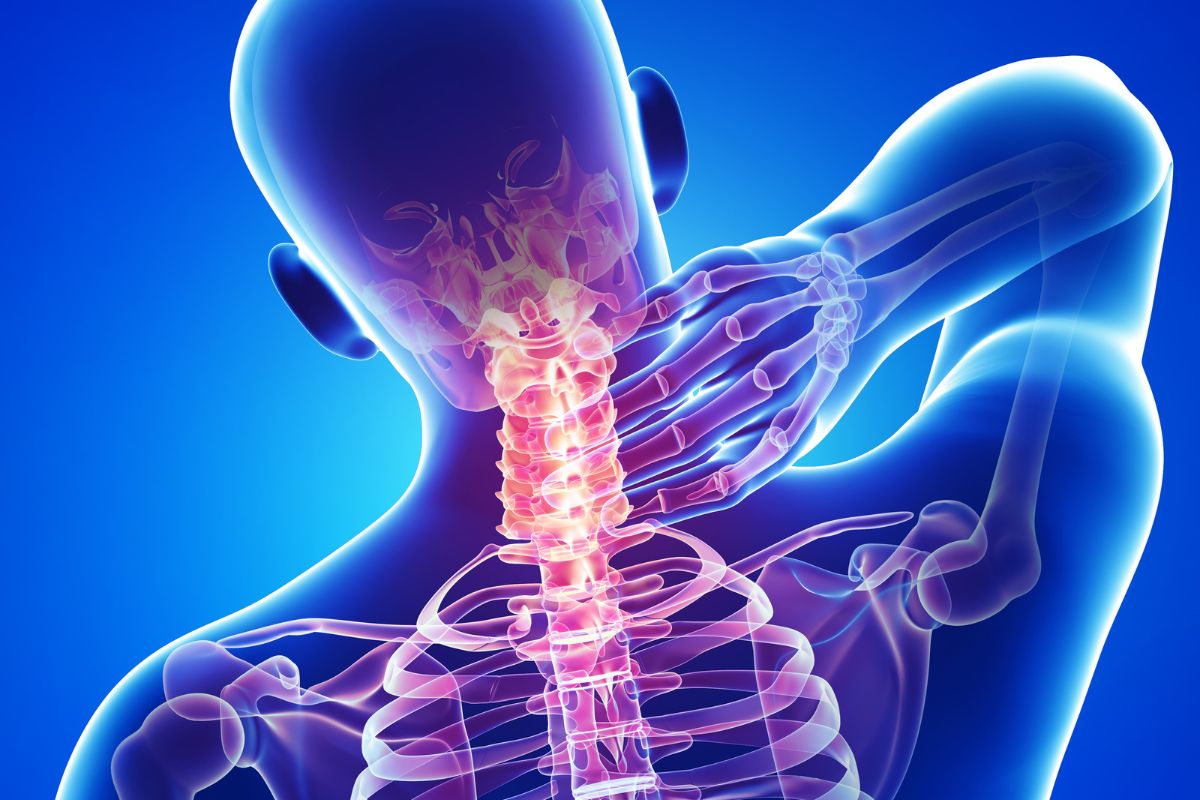
PRP therapy for neck pain in Charlotte, NC offers a non-surgical option for patients seeking relief from cervical arthritis, disc degeneration, ligament injuries, and chronic neck pain. At Stem Cell Carolina, Dr. Usman Ahmad uses ultrasound and fluoroscopic guidance to deliver platelet-rich plasma precisely to the targeted cervical structures — intended to support the body’s own natural healing response.
Neck pain is one of the most common — and most undertreated — musculoskeletal conditions. Many patients cycle through pain medication, physical therapy, and steroid injections without finding adequate relief. PRP therapy is intended to work at the tissue level rather than temporarily masking pain — though individual outcomes vary.
We offer PRP therapy for neck pain at our Charlotte office on Providence Road near the Arboretum Shopping Center, and at our Huntersville office in the Lake Norman area.
Ready to find lasting neck pain relief?
Book your free consultation in Charlotte today →
Neck Conditions Treated with PRP Therapy in Charlotte
PRP injections are particularly effective for neck and cervical spine conditions involving damaged ligaments, tendons, joints, or discs. Conditions we treat include:
- Cervical Arthritis (Neck Osteoarthritis) — Degeneration of the cervical joints causing stiffness, aching, and reduced range of motion
- Cervical Facet Joint Pain — Pain arising from the small joints along the back of the cervical spine
- Cervical Disc Degeneration — Wear and breakdown of the discs between neck vertebrae
- Cervical Ligament Sprains — Stretched or torn ligaments in the neck, often from whiplash or trauma
- Neck Muscle Tendonitis — Inflammation of the tendons surrounding the cervical spine
- Chronic Neck Pain — Persistent pain that has not resolved with conventional treatment
- Whiplash Injuries — Ligament and soft tissue damage from sudden neck acceleration-deceleration

Why PRP Therapy for Neck Pain in Charlotte?
Traditional treatments for neck pain — steroid epidurals, facet joint injections, and nerve blocks — are designed to reduce inflammation and provide temporary pain relief. They do not repair the underlying structural damage to ligaments, discs, or cartilage that is causing your pain.
PRP therapy works at the tissue level by delivering a concentrated solution of your own platelets into targeted cervical structures. This process is intended to support the body’s natural healing response and may help promote collagen activity, address inflammation, reduce pain, and improve mobility associated with chronic neck conditions.
At Stem Cell Carolina, cervical PRP injections are performed under ultrasound or fluoroscopic (X-ray) guidance to ensure the PRP is delivered with pinpoint accuracy to the targeted structures. This level of precision is critical for cervical spine injections and helps ensure accurate placement. For more advanced cervical degeneration, Dr. Ahmad may also recommend stem cell therapy in combination with PRP.
How PRP Therapy for Neck Pain Works
The entire procedure is performed in our Charlotte or Huntersville office and takes less than an hour from start to finish:
- Blood Draw — A small amount of blood is drawn from your arm, similar to a routine lab test.
- Centrifuge Processing — The blood is spun to isolate and concentrate the platelets and growth factors.
- Image-Guided Injection — Using ultrasound or fluoroscopic guidance, Dr. Ahmad precisely injects the PRP into the cervical facet joints, ligaments, discs, or other target structures identified as the pain source.
Image guidance is not optional at Stem Cell Carolina — it is standard for all cervical spine injections to ensure safety and accuracy.

What to Expect After PRP Treatment for Neck Pain
Recovery from cervical PRP injections is straightforward. Most patients can return to normal light activities the same day. Here’s a typical timeline:
- Days 1–3: Mild soreness or stiffness at the injection site is normal. Use Tylenol if needed. Do NOT take anti-inflammatory medications (Aleve, Motrin, Celebrex, Naprosyn, Mobic) as they interfere with the healing process.
- Weeks 2–4: Growth factors may help support the body’s natural healing process in the treated cervical structures.
- Weeks 4–8: Most patients begin noticing meaningful reduction in neck pain and improved range of motion.
- Months 3–6: Continued improvement as the treated tissues remodel and strengthen.
Most patients with neck conditions require one to three PRP injections depending on the severity and structures involved. Dr. Ahmad will outline a specific treatment plan at your consultation.
Am I a Candidate for PRP Therapy for Neck Pain in Charlotte?
PRP therapy is a strong option if you:
- Have had chronic neck pain for 3 or more months that hasn’t resolved
- Have tried physical therapy, medications, or steroid injections with limited lasting relief
- Have a diagnosis of cervical arthritis, disc degeneration, or cervical ligament injury
- Want to avoid cervical spine surgery such as fusion or disc replacement
- Are looking for a longer-term solution rather than repeat cortisone injections
The best way to determine if PRP is right for your specific neck condition is a consultation with Dr. Ahmad, who will review your imaging, history, and symptoms to create a personalized treatment plan.
Explore More PRP Therapy Options in Charlotte
We offer PRP therapy for a wide range of musculoskeletal conditions across our Charlotte and Huntersville offices:
- PRP Therapy in Charlotte, NC — Full Overview
- PRP Therapy for Elbow Pain in Charlotte
- PRP Therapy for Ankle Pain in Charlotte
- PRP Therapy for Low Back Pain in Charlotte
Our Charlotte & Huntersville Locations
8035 Providence Road, Suite 340
Charlotte, NC 28277
Near the Arboretum Shopping Center.
Free on-site parking available.
9920 Kincey Ave, Suite 200
Huntersville, NC 28078
Serving Lake Norman, Cornelius,
Davidson, and Mooresville.
Call us at 704-542-3988 or book your free consultation online.
Frequently Asked Questions — PRP Therapy for Neck Pain in Charlotte, NC
How long does PRP therapy take to work for neck pain?
Most patients begin to notice improvement in neck pain between 4 and 8 weeks after their first PRP injection. Tissue repair continues for up to 3–6 months, with ongoing improvement throughout that period.
Is PRP therapy safe for cervical spine injections?
Yes. At Stem Cell Carolina, all cervical PRP injections are performed under image guidance (ultrasound or fluoroscopy), which helps ensure accurate placement and reduce procedural risk. Because PRP uses your own blood, there is no risk of allergic reaction.
How many PRP injections will I need for neck pain?
Most patients require one to three injections depending on the number of structures involved and the severity of degeneration. Dr. Ahmad will assess your response and adjust the plan at each follow-up.
Can PRP help avoid neck surgery?
For many patients with cervical arthritis, facet joint pain, or ligament injuries, yes. PRP may help reduce pain and improve function in a way that allows some patients to avoid or delay surgical intervention. For more severe cases, combining PRP with stem cell therapy may provide additional support.
Does PRP therapy for neck pain hurt?
Discomfort is generally minimal. The use of image guidance allows for precise injection with less tissue disruption. Some soreness or stiffness at the injection site for 2–3 days is normal and manageable with Tylenol.
What is the difference between PRP and a steroid injection for neck pain?
Steroid injections reduce inflammation temporarily — typically lasting weeks to a few months — but do not repair underlying tissue damage and can weaken tissue with repeated use. PRP stimulates actual tissue repair and produces longer-lasting results without the degenerative side effects of steroids.
Book Your Free Neck Pain Consultation in Charlotte
If you’re dealing with chronic neck pain, cervical arthritis, or a cervical spine injury in the Charlotte or Huntersville area, PRP therapy at Stem Cell Carolina may be the answer. Dr. Ahmad will evaluate your condition, review your imaging, and develop a targeted treatment plan to help you get back to living without neck pain — without surgery.