Shoulder Rotator Cuff Injury Treatment Charlotte NC
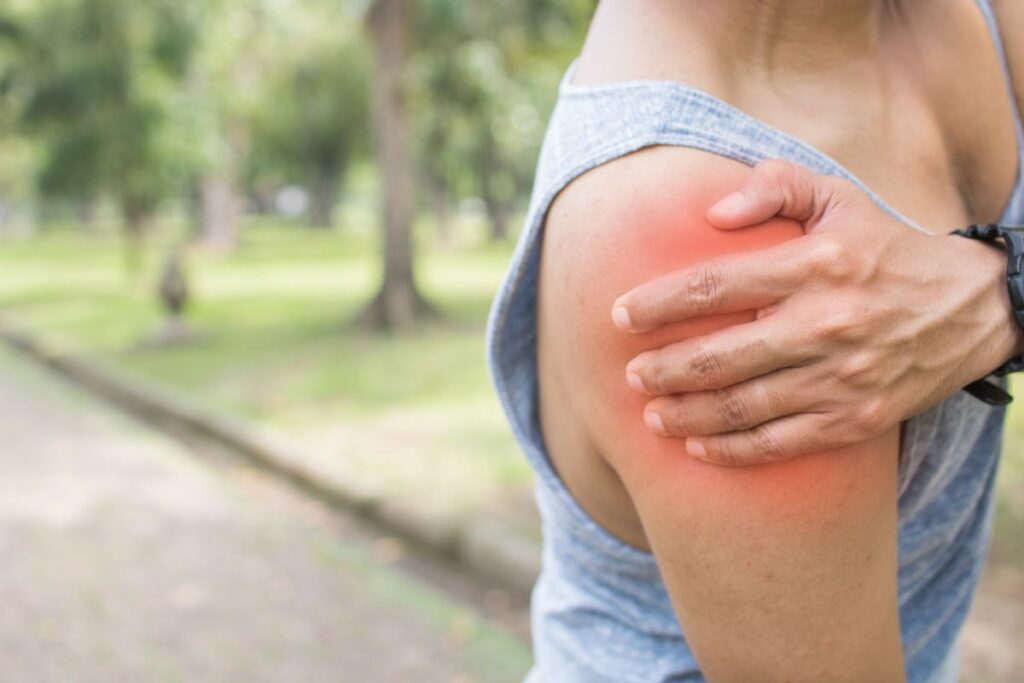
Table of Contents
- Understanding Rotator Cuff Injuries
- Common Symptoms and Warning Signs
- Non-Surgical Treatment Options in Charlotte
- Treatment Comparison Table
- Who Is a Candidate for Non-Surgical Treatment?
- What to Expect During Treatment
- Recovery Timeline and Results
- Frequently Asked Questions
- Schedule Your Free Consultation
Quick Summary
Can rotator cuff tears heal without surgery? Yes! Many rotator cuff injuries can be successfully treated without surgery using regenerative medicine. At Stem Cell Carolina in Charlotte and Huntersville, NC, Dr. Ahmad offers three proven non-surgical options: PRP therapy, adipose-derived stem cell therapy, Bone Marrow-derived stem cell therapy and shockwave therapy. Free consultation available: 704-542-3988
If you’re experiencing shoulder pain that won’t go away, difficulty lifting your arm, or weakness when reaching overhead, you may have a rotator cuff injury. The good news? Many rotator cuff tears can heal without surgery. At Stem Cell Carolina in Charlotte and Huntersville, NC, Dr. Ahmad specializes in advanced regenerative medicine treatments that help patients avoid surgery and return to their active lifestyles.
Understanding Rotator Cuff Injuries
Your rotator cuff is a group of four muscles and tendons that stabilize your shoulder joint and enable you to lift and rotate your arm. These muscles include the supraspinatus, infraspinatus, subscapularis, and teres minor. When any of these tendons become torn or damaged, it can cause significant pain and limit your daily activities.
Rotator cuff injuries are extremely common, affecting approximately 20-25% of the general population. The prevalence increases with age, with studies showing that about 10.7% of people in their 50s have rotator cuff tears, rising to 36.6% in people over 80.
What Causes Rotator Cuff Tears?
Rotator cuff injuries typically develop from:
- Repetitive Overhead Activities: Sports like tennis, swimming, and baseball, or occupations requiring frequent overhead reaching
- Age-Related Degeneration: Natural wear and tear that weakens tendons over time
- Acute Trauma: Falls, car accidents, or sudden lifting injuries
- Poor Posture: Forward shoulder positioning that increases stress on the rotator cuff
- Bone Spurs: Bony growths that rub against and damage the tendons
Common Symptoms and Warning Signs
Recognizing the symptoms of a rotator cuff injury early is important for successful non-surgical treatment. Pay attention to these warning signs:
- Dull aching pain deep in the shoulder that worsens at night
- Difficulty sleeping on the affected shoulder
- Weakness when lifting or rotating your arm
- Pain when reaching overhead or behind your back
- Clicking or popping sounds with shoulder movement
- Limited range of motion that prevents normal activities
- Arm weakness that makes it difficult to hold objects
If you’re experiencing any of these symptoms, it’s important to seek evaluation from a board-certified specialist. Early intervention with regenerative medicine can prevent your injury from worsening and help you avoid surgery.
Non-Surgical Treatment Options in Charlotte
At Stem Cell Carolina, we offer proven regenerative medicine treatments that can heal rotator cuff injuries without surgery. These treatments work by stimulating your body’s natural healing mechanisms to repair damaged tissue.
PRP Therapy for Rotator Cuff Tears

Platelet-Rich Plasma (PRP) therapy uses concentrated growth factors from your own blood to accelerate healing in damaged rotator cuff tendons. This treatment has become increasingly popular due to strong clinical evidence supporting its effectiveness.
How PRP Works
During PRP treatment, a small amount of your blood is drawn and processed in a centrifuge to concentrate the platelets. These platelets contain powerful growth factors that stimulate tissue repair, reduce inflammation, and promote new blood vessel formation. The concentrated PRP is then precisely injected into the injured area using ultrasound guidance for maximum accuracy.
Clinical Evidence for PRP
Recent studies from 2024-2025 show impressive results for PRP therapy in rotator cuff injuries:
- 80-85% success rate for partial-thickness and small full-thickness tears
- Better long-term outcomes than steroid injections at 12-month follow-up
- PRP used post-operatively to help with healing can reduce the reduction in re-tears
- Significant improvements in pain and shoulder function within 3 months
- Over 80% success rate when combined with a rehab program
Best Candidates for PRP
PRP therapy works best for:
- Partial-thickness rotator cuff tears
- Small full-thickness tears (under 1-2 cm)
- Rotator cuff tendinopathy
- Chronic shoulder pain from overuse
- Patients seeking to avoid surgery
Adipose-Derived Stem Cell Therapy

Adipose-derived stem cell therapy represents the most advanced regenerative treatment available for rotator cuff injuries. This treatment uses regenerative cells harvested from your own fat tissue to repair damaged tendons and restore shoulder function.
The Science Behind Stem Cell Therapy
Stem cells from adipose (fat) tissue have remarkable healing properties. These cells can differentiate into the specific tissue types needed for repair, release anti-inflammatory factors, and stimulate your body’s natural healing response. When injected into an injured rotator cuff, these cells work to rebuild damaged tendon fibers and restore the shoulder’s structural integrity.
Advantages of Adipose-Derived Stem Cells
Research shows that adipose-derived stem cells offer several advantages for rotator cuff treatment:
- High Cell Concentration: Both adipose and bone marrow tissue contain high concentrations of stem cells and can be used for different injuries
- Less Invasive Harvest: Simple mini-liposuction procedure under local anesthesia
- Powerful Anti-Inflammatory Effects: Reduces pain and swelling quickly
- Long-Lasting Results: Continued healing for up to 12 months after treatment with symptom relief lasting several years.
- Natural healing: has the ability to help heal damaged tissue and improve mobility
Clinical Results
Studies on adipose-derived stem cell therapy for rotator cuff tears show:
- Significant improvements in pain and function at 12-month follow-up
- Reduction in tear size visible on MRI imaging
- Better outcomes for larger tears compared to PRP alone
- Lower revision surgery rates when used as surgical augmentation
- Excellent safety profile with minimal side effects
Bone Marrow-Derived Stem Cell Therapy

Bone marrow-derived stem cell therapy uses regenerative cells harvested from your bone marrow to help heal damaged tendons and restore shoulder function. This treatment is particularly effective for rotator cuff tears.
The Science Behind Bone Marrow Stem Cell Therapy
Stem cells from bone marrow have remarkable healing properties. These cells can differentiate into the specific tissue types needed for repair, release anti-inflammatory factors, and stimulate your body’s natural healing response. When injected into an injured rotator cuff, these cells work to help heal damaged tendon fibers and restore the shoulder’s structural integrity.
Advantages of Bone Marrow-Derived Stem Cells
Research shows that bone marrow-derived stem cells offer several advantages for rotator cuff treatment:
- High Cell Concentration: Both adipose and bone marrow tissue contain high concentrations of stem cells and can be used for different injuries
- Effective for Tears: Particularly effective for rotator cuff tears
- Powerful Anti-Inflammatory Effects: Reduces pain and swelling quickly
- Long-Lasting Results: Continued healing for up to 12 months after treatment
- Natural healing: has the ability to help heal damaged tissue and improve mobility
Clinical Results
Studies on bone marrow-derived stem cell therapy for rotator cuff tears show:
- Significant improvements in pain and function at 12-month follow-up
- Reduction in tear size visible on MRI imaging
- Better outcomes for larger tears compared to PRP alone
- Lower revision surgery rates when used as surgical augmentation
- Excellent safety profile with minimal side effects
Shockwave Therapy for Shoulder Pain
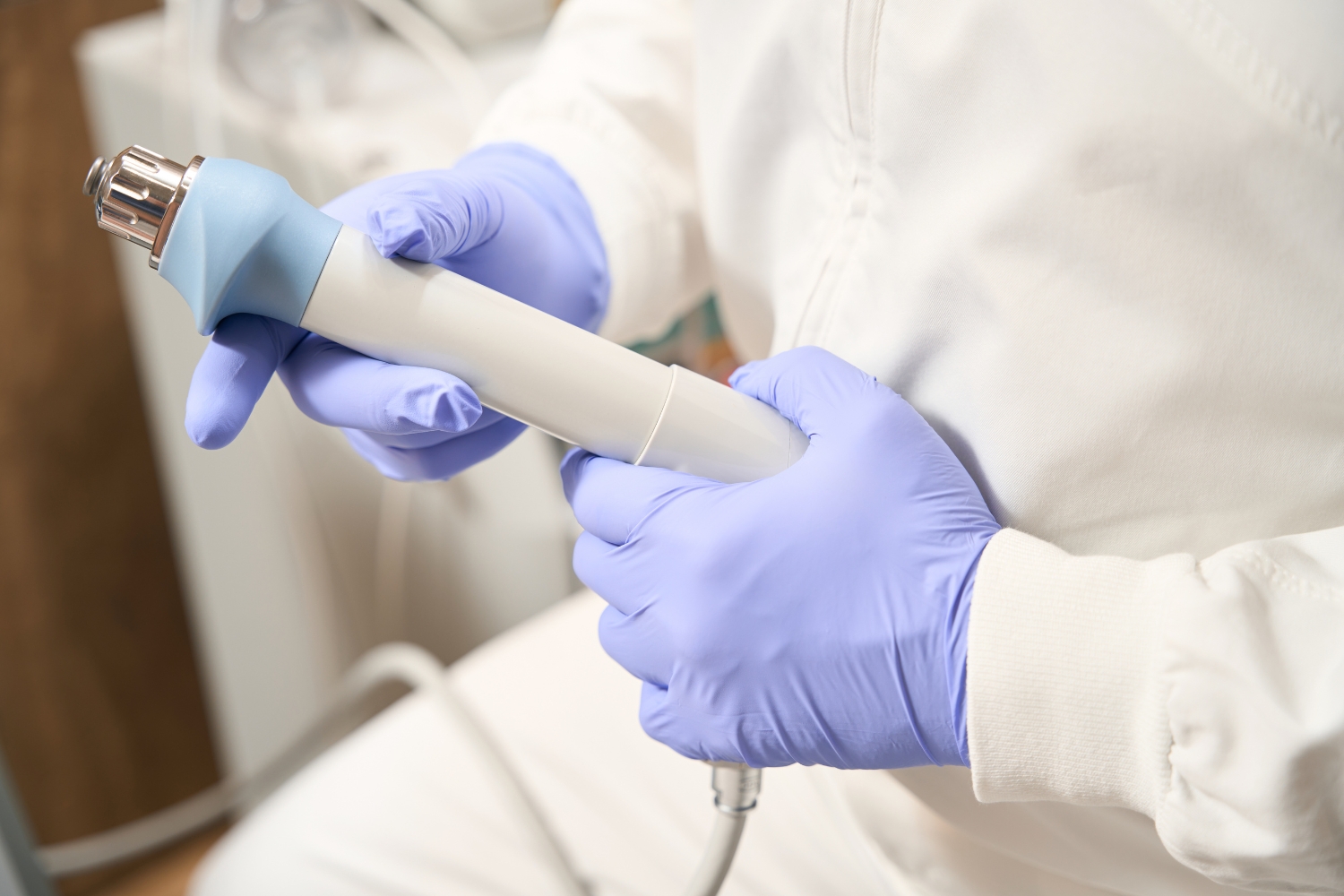
Shockwave therapy uses acoustic sound waves to stimulate healing in damaged shoulder tendons. This FDA-cleared treatment is particularly effective for chronic rotator cuff tendinopathy and calcific tendinitis.
How Shockwave Therapy Works
High-energy acoustic waves are delivered directly to the injured tissue, which:
- Breaks down calcium deposits and scar tissue
- Increases blood flow to promote healing
- Stimulates new blood vessel formation
- Reduces inflammation and pain signals
- Activates the body’s natural repair mechanisms
Benefits of Shockwave Therapy
- No downtime required
- Quick 5-10 minute treatment sessions
- Works well in combination with PRP or stem cell therapy
- Excellent for chronic tendinopathy
- Cost-effective option for many patients
Dr. Ahmad often combines shockwave therapy with PRP or stem cell treatments to maximize healing outcomes. For an in-depth look at how shockwave therapy specifically treats rotator cuff conditions, read our guide: Can Shockwave Therapy Work for Rotator Cuff Tendinitis?
Comparing Your Treatment Options
| Treatment | Best For | Success Rate | Procedure Time | Cost Range |
|---|---|---|---|---|
| PRP Therapy | Partial tears, small full-thickness tears, tendinopathy | 70-80% (over 80% with physician supervised rehab) | 45-60 minutes | Starting at $500 per treatment |
| Adipose Stem Cell | Arthritis, chronic conditions, severe degeneration | Best for shoulder arthritis | 1-2 hours | Starting at $4,000 |
| Bone Marrow Stem Cell | Rotator cuff tears, moderate-severe tears | Best for tears | 1-2 hours | Starting at $4,000 |
| Shockwave Therapy | Chronic tendinopathy, calcific tendinitis, combination treatment | Excellent for tendinopathy | 5-10 minutes | Starting at $150 per treatment |
| Surgery (for comparison) | Large/massive tears, complete rupture, failed conservative treatment | 43% re-tear rate | 2-3 hours | $10,000-$30,000+ (insurance may cover) |
Who Is a Candidate for Non-Surgical Treatment?
Not every rotator cuff injury requires surgery. In fact, many patients achieve excellent results with non-surgical orthopedic treatments alone. You may be an ideal candidate for non-surgical treatment if you have:
- Partial-thickness tears that haven’t completely severed the tendon
- Small to medium full-thickness tears (less than 2-3 cm)
- Rotator cuff tendinopathy without complete rupture
- Chronic shoulder pain that hasn’t responded to physical therapy
- Degenerative tears without significant muscle atrophy
- Recent injuries caught within the first few months
When Surgery May Still Be Necessary
While regenerative medicine is highly effective, some injuries may still require surgical repair:
- Large or massive tears (greater than 3-5 cm)
- Complete tendon rupture with retraction
- Significant muscle atrophy or fatty infiltration
- Acute traumatic tears in young, active patients
- Failed regenerative treatment after 6-12 months
Dr. Ahmad will perform a comprehensive evaluation including physical examination and MRI imaging to determine the best treatment approach for your specific injury.
What to Expect During Treatment
Initial Consultation
Your journey begins with a thorough evaluation at our Charlotte or Huntersville location. Dr. Ahmad will:
- Review your medical history and symptoms
- Perform a detailed physical examination
- Assess your shoulder strength and range of motion
- Review any existing imaging (X-rays, MRI)
- Recommend the most appropriate treatment plan
This initial consultation is free, giving you the opportunity to learn about your options without any financial commitment.
Frequently Asked Questions
Can a rotator cuff tear heal without surgery?
Yes, many rotator cuff tears can heal without surgery, especially partial-thickness tears and small full-thickness tears. Regenerative medicine treatments like PRP therapy and adipose-derived stem cell therapy have shown 60-75% success rates for non-surgical healing. The key factors are tear size, severity, and how quickly you seek treatment.
What is the success rate of PRP for rotator cuff tears?
Clinical studies show PRP therapy for rotator cuff tears has a 60-70% success rate for partial-thickness and small full-thickness tears. Studies from 2024-2025 demonstrate that PRP provides better long-term outcomes than steroid injections, with significant improvements in pain and function at 12 months. When combined with physical therapy, success rates can reach 75%.
How long does it take for PRP to work for rotator cuff?
Most patients begin experiencing pain relief within 2-4 weeks after PRP treatment. Significant functional improvement typically occurs between 6-12 weeks. Maximum benefits are usually achieved within 3-6 months as the healing process completes. Some patients may require 2-3 PRP treatments for optimal results, spaced 4-6 weeks apart.
What type of rotator cuff tears can be treated without surgery?
Non-surgical treatment is most effective for partial-thickness tears, small full-thickness tears under 1-2 cm, degenerative tears without significant muscle atrophy, and tendinopathy without complete rupture. Tears caused by overuse rather than acute trauma also respond well to regenerative medicine. Dr. Ahmad evaluates each case individually to determine if you’re a candidate for non-surgical treatment.
Is stem cell therapy or PRP better for rotator cuff tears?
Both treatments are effective, but they work differently. PRP therapy uses concentrated growth factors from your blood and is ideal for partial tears and tendinopathy, with faster initial results and lower cost. Adipose-derived stem cell therapy uses regenerative cells from fat tissue and is better for larger tears, chronic conditions, and severe degeneration, with more potent healing capability and longer-lasting results. Dr. Ahmad often recommends combining both therapies for optimal outcomes. For a detailed comparison, see our guide on the differences between PRP and stem cell therapy.
How much does rotator cuff regenerative treatment cost in Charlotte?
PRP therapy typically starts from $500 per treatment, with most patients needing 2-3 treatments. Adipose-derived stem cell therapy starts from $4,000 for a comprehensive treatment. Bone marrow stem cell therapy starts from $4,000 for a comprehensive treatment. Shockwave therapy costs $150 per treatment. Most insurance plans do not cover regenerative medicine treatments. Stem Cell Carolina offers free consultations to discuss costs and payment plans.
What is the recovery time for non-surgical rotator cuff treatment?
Recovery time varies by treatment. Most patients return to desk work within 1-2 days. Light activities can resume within 1-2 weeks. Physical therapy begins at 2-4 weeks. Full recovery typically takes 3-6 months. This is significantly faster than surgical recovery, which requires 6-12 months and includes weeks in a sling.
Does insurance cover regenerative medicine for rotator cuff?
Most insurance plans currently do not cover PRP therapy or stem cell therapy for rotator cuff injuries, as these treatments are considered elective or investigational. However, many patients find the cost worthwhile compared to surgery when considering shorter recovery time, no surgical risks, and ability to maintain daily activities during treatment. We offer payment plans to make treatment more accessible.
How many PRP treatments will I need for my rotator cuff?
Most patients require 2-3 PRP treatments for optimal results, spaced 4-6 weeks apart. The exact number depends on the size and severity of your tear, your age, overall health, and how your body responds to the initial treatment. Some patients with partial tears see excellent results from a single treatment, while larger tears may benefit from 3 treatments combined with physical therapy.
Can I combine different treatments for my rotator cuff?
Yes, combining treatments often produces the best results. Dr. Ahmad frequently recommends combination protocols such as PRP plus shockwave therapy, stem cell therapy plus PRP, or a comprehensive approach using all three modalities. Research shows that combination treatments can enhance healing, reduce inflammation more effectively, and improve long-term outcomes compared to single treatments alone.
Schedule Your Free Consultation in Charlotte or Huntersville
If you’re struggling with shoulder pain from a rotator cuff injury, you don’t have to rush into surgery. Dr. Ahmad and the team at Stem Cell Carolina offer proven regenerative medicine treatments that can help you heal naturally and return to the activities you love.
Why Choose Stem Cell Carolina:
- Board-Certified Specialist: Dr. Ahmad has extensive experience in regenerative medicine
- Over 30,000 Procedures: Proven track record of successful outcomes
- State-of-the-Art Technology: Advanced ultrasound-guided injections for precision
- Same-Day Appointments: Get evaluated and treated quickly
- Two Convenient Locations: Charlotte (Providence Road) and Huntersville
- Free Consultation: No-obligation evaluation to discuss your options
Ready to Avoid Surgery and End Your Shoulder Pain?
Schedule your free consultation today
📞 Call Now: 704-542-3988
Our Charlotte Location
Stem Cell Carolina – Charlotte Office
A regenerative division of Advanced Sports and Spine
8035 Providence Road Suite 340
Charlotte, NC 28277
Located near the Arboretum Shopping Center
Free on-site parking in the Arboretum business park
Our Huntersville Location
Stem Cell Carolina – Huntersville Office
9920 Kincey Ave # 200
Huntersville, NC 28078
Serving the Lake Norman area
Don’t let shoulder pain control your life. With advanced regenerative medicine treatments, you can heal your rotator cuff naturally, avoid surgery, and get back to living pain-free. Contact Stem Cell Carolina today to learn if you’re a candidate for non-surgical treatment.