Shockwave Therapy in Charlotte, NC
Stop living with pain—start healing naturally. Our state-of-the-art treatment is designed to reduce pain, repair tissues, and restore your mobility.
What Is Shockwave Therapy?
Shockwave therapy, also known as extracorporeal shockwave therapy (ESWT), is a non-invasive treatment that uses high-energy sound waves to stimulate the body’s healing response. Despite its name, it doesn’t involve electrical shocks—instead, it delivers gentle acoustic energy to the injured area.
This energy boosts blood flow, reduces inflammation, and triggers the release of growth factors, helping soft tissues, tendons, and ligaments heal faster. It’s an ideal treatment for both acute and chronic injuries.
By combining shockwave therapy with other regenerative techniques like PRP and stem cell therapy, we can maximize healing and recovery.
Why Choose Shockwave Therapy
at Stem Cell Carolina?
Expert Care
All treatments overseen by Dr. Ahmad, a board-certified specialist with over 25,000 successful procedures.
Non-Invasive
No surgery, no medications—just your body healing itself naturally.
Fast and Effective
Most patients experience noticeable relief after just a few sessions, with minimal downtime.
Personalized Treatment
Every plan is tailored to your unique condition to ensure the best possible results.
How Does Shockwave Therapy Work?
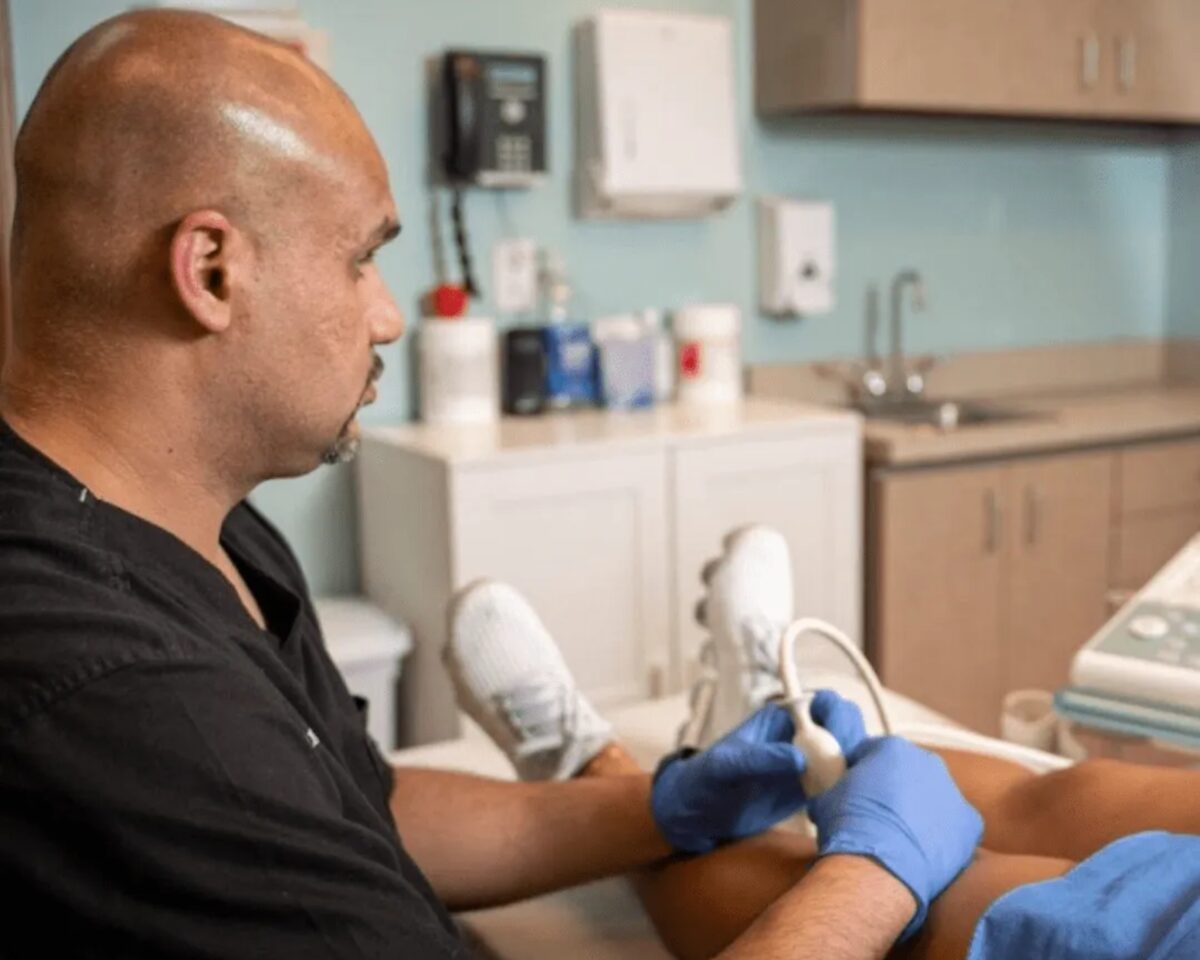
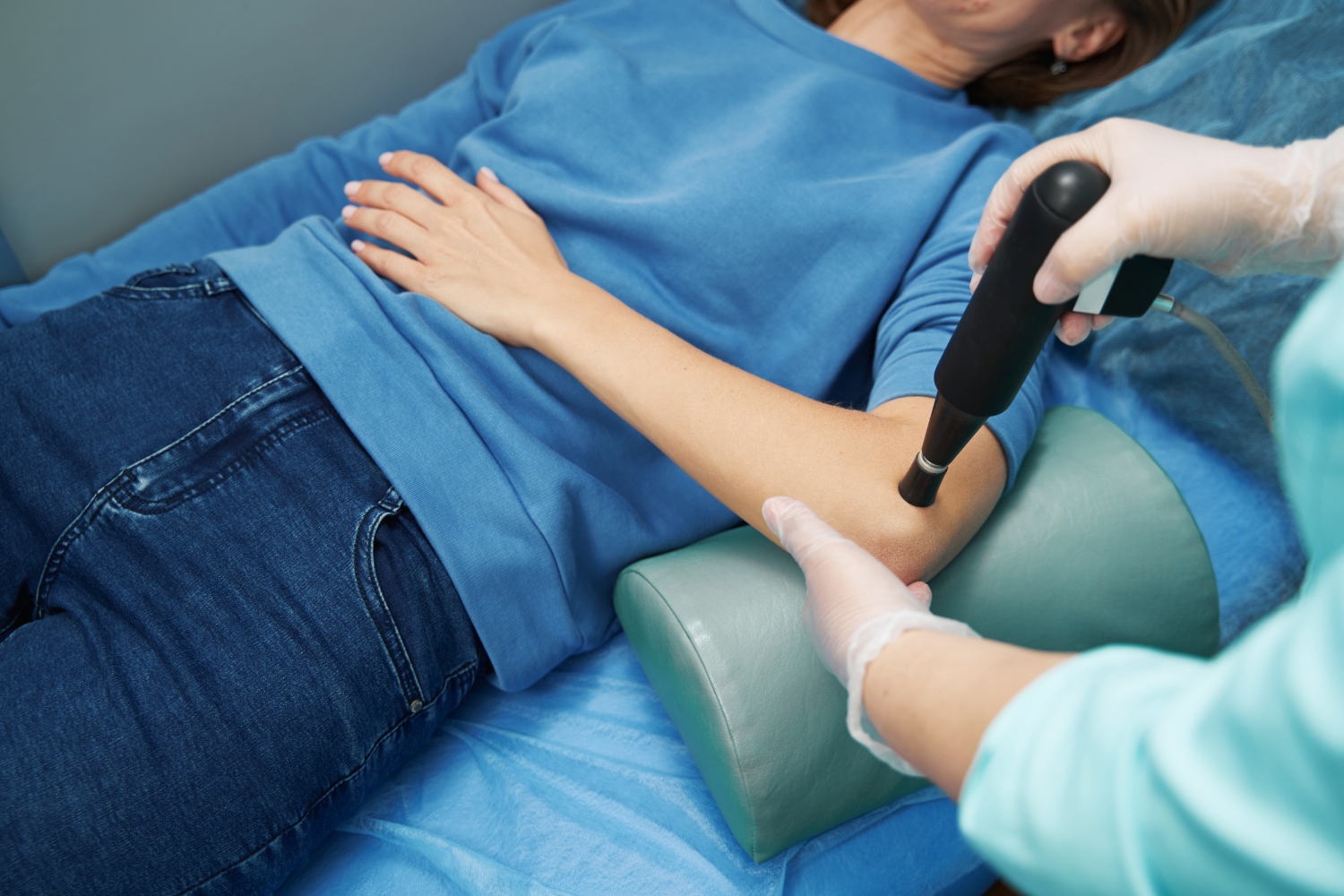
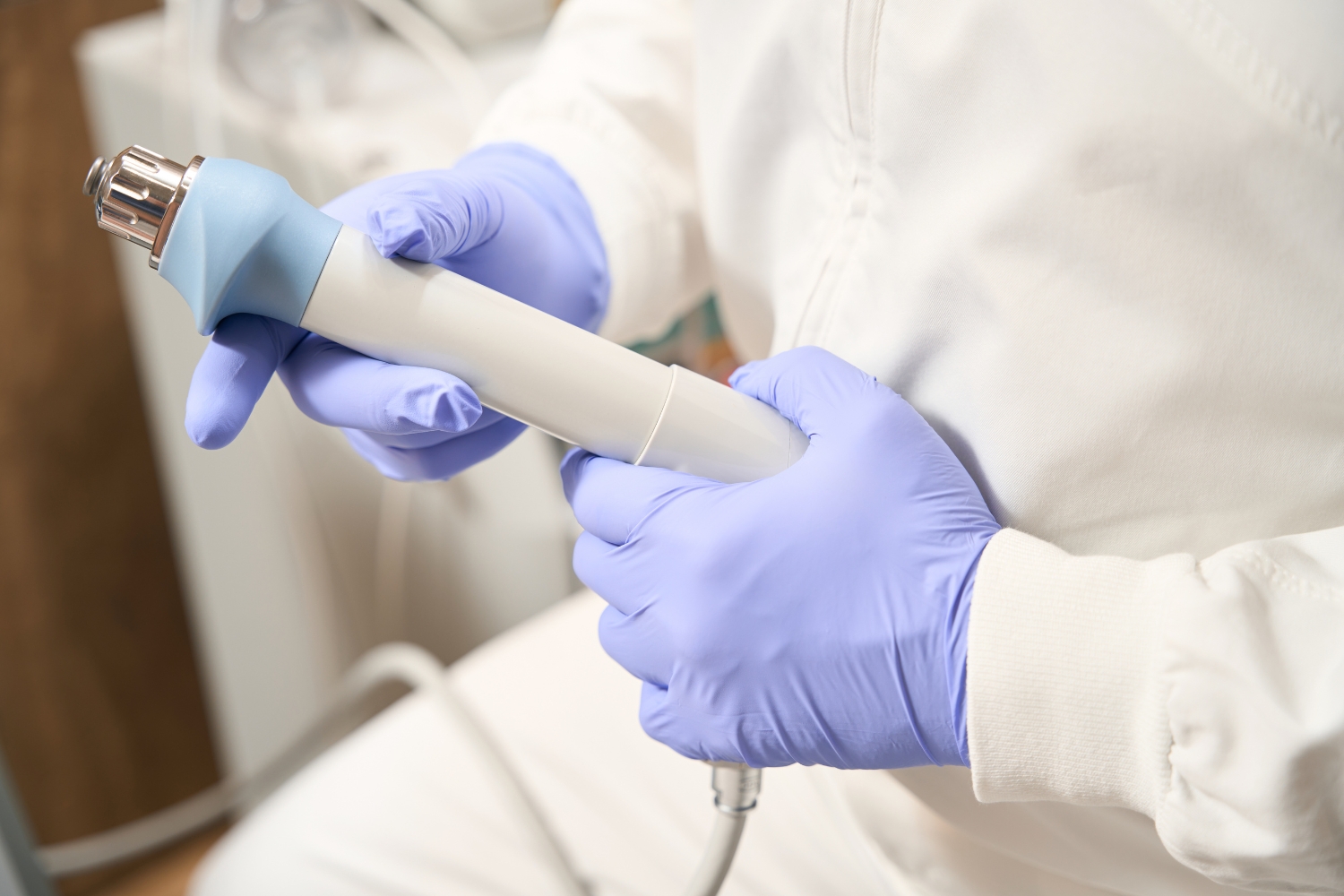
Shockwave Therapy works by using a handheld device to deliver focused sound waves directly to the injured area.
These sound waves help break down scar tissue, improving flexibility and reducing pain caused by tissue buildup. The therapy also boosts circulation, stimulating blood flow to promote natural tissue repair, while reducing inflammation to ease swelling and restore mobility.
This quick and safe procedure is performed in-office by our skilled team, with sessions typically lasting just 15–30 minutes.
Conditions We Treat with Shockwave Therapy
Plantar Fasciitis
Relieves chronic heel pain caused by tissue inflammation.
Hamstring Muscle Injuries
Supports healing of strained or torn hamstring muscles.
Frozen Shoulder
Helps restore range of motion and reduce stiffness in the shoulder joint.
Shin Splints
Alleviates pain and inflammation in the shins from overuse or impact activities.
Tendinopathy
Addresses pain and stiffness in tendons due to overuse or injury.
Bursitis
Reduces inflammation and pain in the bursae, often caused by repetitive motion.
Shoulder Pain
Manages pain and inflammation in the shoulder from various causes.
Myofascial Trigger Points
Alleviates pain and tightness in muscle knots caused by overuse or stress.
Jumper’s Knee
Reduces pain and inflammation in the patellar tendon from repetitive jumping or strain.
Calcific Tendinitis of the Rotator Cuff
Breaks down calcium deposits in the shoulder to relieve pain and improve mobility.
Tennis and Golfer’s Elbow
Treats tendon pain in the elbow caused by repetitive arm motions.
Neck and Back Strains
Eases pain and promotes recovery from muscle strains in the neck and back.
What to Expect During Shockwave Therapy
1
Consultation
Meet with our team at Stem Cell Carolina to assess your condition and determine if Shockwave Therapy is the best fit for you.
2
Personalized Treatment
A tailored plan ensures targeted relief for your pain or injury.
3
Quick Recovery
Return to your daily activities immediately after treatment—no downtime required.
Our Pricing
$150 per treatment
Effective, non-invasive, and tailored to your needs.
Special Offer!
Purchase 5 treatments, get the 6th FREE!
(Save $150 with this exclusive deal)
FAQs about Shockwave Therapy
Shockwave treatment is generally well-tolerated and often described as a mild sensation of pressure or tapping at the treatment site.
A single treatment usually takes about 15 minutes. Acute injuries may require 4 to 6 sessions, while chronic conditions may need 8 to 12 sessions.
Potential side effects may include temporary discomfort, bruising, redness, or swelling. Rarely, patients may experience mild numbness or tingling sensations.