PRP Therapy in Charlotte, NC
At Stem Cell Carolina, we offer platelet-rich plasma (PRP) therapy — a non-surgical regenerative treatment that uses your body's own healing properties to help address inflammation and relieve chronic pain. No surgery. No steroids. No prolonged downtime.
Dr. Usman Ahmad (DO) delivers image-guided PRP injections at our Charlotte office on Providence Road near the Arboretum Shopping Center — with free on-site parking available.
Book a Free Consultation →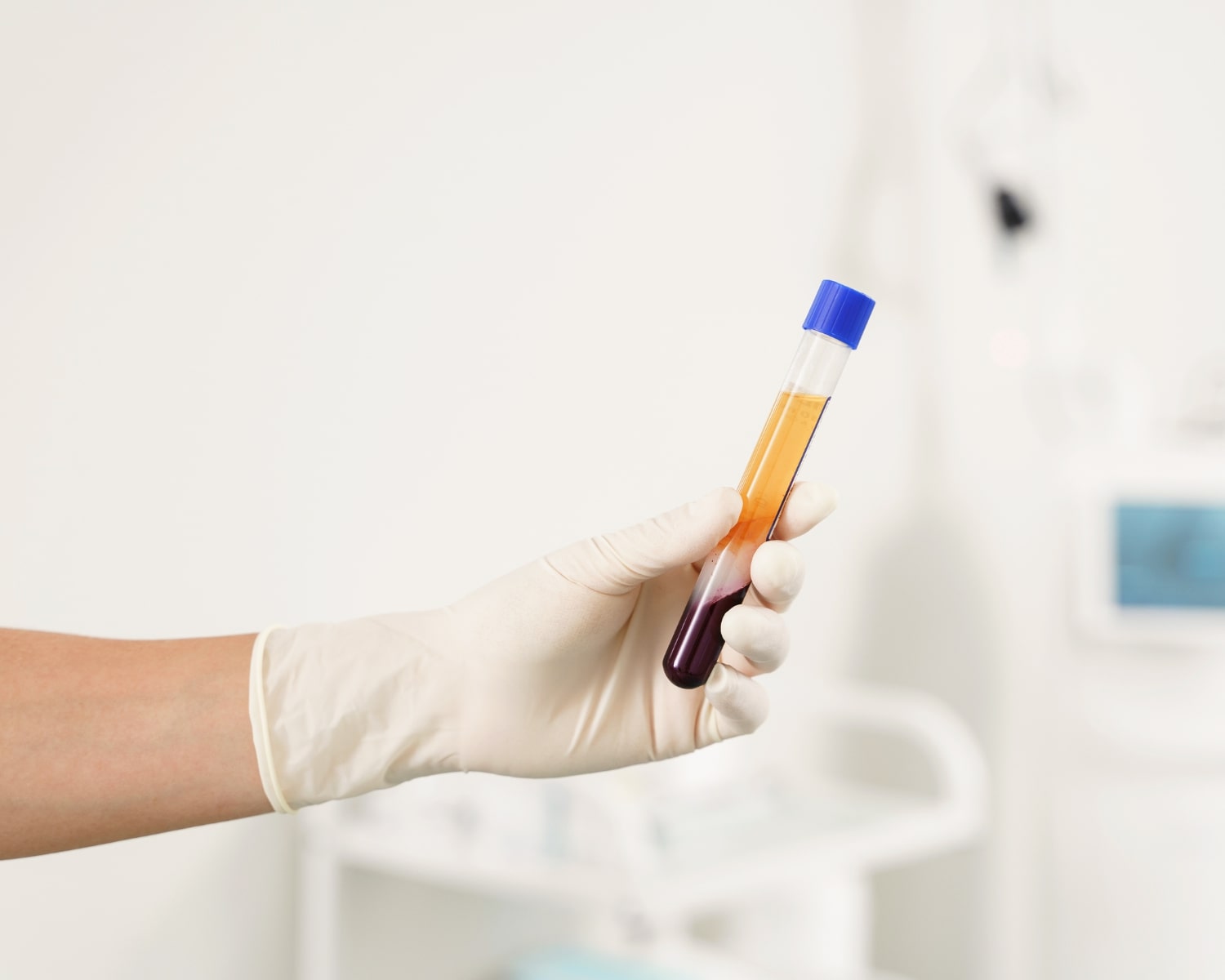

What is PRP Therapy?
Platelet-rich plasma (PRP) therapy is a cutting-edge regenerative treatment that harnesses the healing power of your own blood. Your blood is drawn, spun in a centrifuge to isolate and concentrate the platelets, and then injected directly into the injured area to promote natural tissue repair.
Platelets are rich in growth factors that may help support collagen activity and the body's natural healing process. Unlike cortisone injections that may only temporarily address inflammation, PRP is intended to work at the tissue level — with results that may continue to improve over time.
Unlike cortisone injections that may only temporarily address inflammation, PRP is intended to work at the tissue level — with results that may continue to improve over time.
Accepting new patients in Charlotte & Huntersville. Book your free consultation today →
Why Choose PRP Therapy at Stem Cell Carolina?
Not all PRP providers are equal. Here's what separates Stem Cell Carolina from the rest.
How Does PRP Therapy Work in Charlotte?
The entire procedure is performed at our Charlotte or Huntersville office in under an hour — no hospital, no general anaesthetic, no lengthy recovery.
- Blood Draw — A small amount of blood is drawn from your arm, similar to a routine lab draw.
- Centrifuge Processing — The blood is spun at high speed to separate and concentrate the platelets and growth factors.
- Image-Guided Injection — The concentrated PRP is injected precisely into the injured tendon, ligament, joint, or disc using ultrasound or fluoroscopic guidance.
Most patients notice meaningful pain reduction within 4–6 weeks, with continued improvement over 3–6 months.

Conditions Treated with PRP Therapy in Charlotte, NC
PRP therapy may be appropriate for a wide range of musculoskeletal conditions — particularly those that haven't responded to physical therapy, chiropractic care, or steroid injections. Dr. Ahmad evaluates each patient individually to determine if PRP is appropriate for their specific condition and severity.
Knee Arthritis & Knee Pain
Knee osteoarthritis is one of the most common reasons patients seek PRP therapy in Charlotte. As the cartilage between the knee joint breaks down over time, patients experience pain, stiffness, and reduced mobility that can significantly impact daily life. PRP therapy may help address joint inflammation and support the body's natural healing response — offering a non-surgical option for patients looking to improve function and reduce pain without cortisone injections or knee replacement surgery. Dr. Ahmad performs all knee PRP injections under ultrasound guidance to ensure precise placement within the joint.
Hip Arthritis & Hip Pain
Chronic hip pain from osteoarthritis or labral injuries can make everyday activities — walking, climbing stairs, sitting for extended periods — increasingly difficult. Many patients in Charlotte turn to PRP therapy as a non-surgical alternative to hip replacement or repeated cortisone injections. PRP is injected directly into the hip joint or surrounding structures under image guidance, and may help reduce pain and improve hip mobility. Patients with mild to moderate hip arthritis tend to be the best candidates, though Dr. Ahmad will assess your imaging and severity at your consultation.
Shoulder Pain & Rotator Cuff Injuries
The shoulder is one of the most complex joints in the body — and rotator cuff injuries, tendonitis, and shoulder instability are among the most common causes of chronic upper body pain. Partial rotator cuff tears, in particular, may respond well to PRP therapy as an alternative to surgery. PRP injections are delivered under ultrasound guidance to the damaged tendon or soft tissue, and may help support the body's natural healing process in the shoulder. Patients with full-thickness tears may require a different treatment approach, which Dr. Ahmad will discuss at your consultation.
Tennis Elbow & Golfer's Elbow
Tennis elbow (lateral epicondylitis) and golfer's elbow (medial epicondylitis) are among the most stubborn tendon conditions to resolve — and among the most well-researched indications for PRP therapy. Both conditions involve degeneration of the tendons where the forearm muscles attach to the elbow, causing persistent pain, weakness, and difficulty gripping. Studies have suggested that PRP may provide longer-lasting relief than cortisone for these conditions, particularly at the 6 and 12-month mark. PRP is injected directly into the affected tendon under ultrasound guidance. Learn more about PRP for elbow pain in Charlotte →
Neck Pain & Cervical Spine Conditions
Chronic neck pain is often caused by cervical facet joint arthritis, disc degeneration, ligament injuries, or whiplash — conditions that may respond well to PRP therapy. Many patients cycle through pain medications and physical therapy without finding adequate relief. PRP therapy is intended to work at the tissue level in the cervical spine, targeting the specific structures causing pain under fluoroscopic or ultrasound guidance. Dr. Ahmad uses both ultrasound and fluoroscopic guidance as standard for all cervical PRP injections, ensuring accurate and safe delivery to the targeted structures. Learn more about PRP for neck pain in Charlotte →
Low Back Pain & Lumbar Spine Conditions
Low back pain is the leading cause of disability worldwide, yet most patients are only offered temporary solutions — pain medication, cortisone injections, or surgery. PRP therapy takes a different approach by delivering concentrated platelets directly into targeted lumbar structures such as facet joints, spinal ligaments, and the sacroiliac (SI) joint under fluoroscopic or ultrasound guidance. This process is intended to support the body's natural healing response and may help reduce pain, address inflammation, and improve mobility associated with chronic lumbar conditions including disc degeneration, facet arthritis, and SI joint dysfunction. Learn more about PRP for low back pain in Charlotte →
Ankle Pain, Achilles Tendonitis & Plantar Fasciitis
Ankle conditions are among the most difficult to resolve because the ankle bears full body weight with every step. Achilles tendonitis, plantar fasciitis, and chronic ankle sprains often fail to respond to rest and physical therapy — leaving patients in persistent pain. PRP therapy may help support the body's natural healing process in damaged ankle tendons and ligaments. It is also a significantly safer option than cortisone for Achilles tendon conditions, as repeated cortisone injections near the Achilles carry risks that are well-documented in the medical literature. All ankle PRP injections at Stem Cell Carolina are performed under ultrasound guidance. Learn more about PRP for ankle pain in Charlotte →
Sports Injuries & Ligament Sprains
Athletes and active patients in Charlotte often turn to PRP therapy to address sports injuries including ligament sprains, muscle tears, tendon injuries, and joint pain — without the downtime associated with surgery. PRP may help support the body's natural healing response in soft tissue injuries, and is frequently used by professional and recreational athletes alike. Dr. Ahmad will assess your specific injury, imaging, and activity level to determine whether PRP is an appropriate option and what a realistic recovery timeline may look like for your individual case.

Is PRP Therapy in Charlotte Right for You?
PRP therapy is a strong option if you meet any of the following:
- You've had chronic pain for 3+ months with little improvement
- Cortisone or steroid injections only offered short-term relief
- You want to avoid surgery or are not a surgical candidate
- Physical therapy alone has not resolved your symptoms
- You have a diagnosed tendon, ligament, joint, or disc condition
- You're looking for a long-term solution — not a temporary fix
The best way to know for certain is a free consultation with Dr. Ahmad, who will review your imaging, history, and symptoms to determine the right treatment plan for your condition.
Book Your Free Consultation →What to Expect During PRP Therapy in Charlotte
From your first consultation to your follow-up, here's what the process looks like at Stem Cell Carolina.
Free Consultation
Dr. Ahmad reviews your symptoms, imaging, and treatment history to confirm PRP is the right treatment and identify the precise target structures.
In-Office Treatment
The PRP procedure is performed under image guidance at our Charlotte office in under an hour. Minimal discomfort. No general anaesthetic required.
Recovery & Results
Most patients return to light activities the same day. Pain reduction typically begins within 4–6 weeks and continues improving for up to 6 months.
PRP Therapy vs Stem Cell Therapy — Which is Right for You?
At Stem Cell Carolina, we offer both PRP therapy and stem cell therapy. Here's a simple guide to help you understand the difference.
PRP Therapy
- Ideal for mild to moderate tendon injuries and ligament sprains
- Effective for early to moderate arthritis
- Excellent for sports injuries and chronic pain
- Quicker procedure, lower cost
- Can be used standalone or combined with stem cell therapy
Stem Cell Therapy
- Recommended for advanced arthritis and significant cartilage loss
- May offer additional support for more advanced degeneration
- Ideal for conditions that haven't responded to PRP alone
- Often combined with PRP for superior results
- Learn more about stem cell therapy →
Dr. Ahmad will recommend the most appropriate treatment — or combination — at your free consultation based on your imaging and severity.
Frequently Asked Questions — PRP Therapy in Charlotte, NC
How long does it take to see results from PRP therapy in Charlotte?
Most patients begin to notice reduced pain or improved function within 4–6 weeks of their first PRP injection. Results may continue to improve for up to 3–6 months. Because PRP is intended to support the body's natural healing process rather than just mask symptoms, results tend to be longer-lasting than cortisone — though individual outcomes vary.
Is PRP therapy safe?
Yes. PRP is one of the safest regenerative treatments available because it uses your own blood — there is no risk of allergic reaction. As with any injection, there is a small risk of infection, bleeding, or soreness, but these complications are rare. All injections at Stem Cell Carolina are performed under image guidance for added safety and precision.
How many PRP treatments will I need?
Many patients notice meaningful improvement within one to three PRP sessions. The exact number depends on the condition and severity. Dr. Ahmad will assess your response at each follow-up and adjust your plan accordingly. Some patients notice improvement after their first injection, though individual results vary.
How much does PRP therapy cost in Charlotte, NC?
Pricing varies depending on the area being treated and the number of sessions required. We provide transparent, upfront pricing during your free consultation with no hidden fees. The cost of PRP is typically far less than surgery or long-term pain management.
Is PRP therapy covered by insurance?
PRP therapy is generally not covered by insurance as it is considered an elective regenerative treatment. We discuss all payment options during your free consultation. Many patients find PRP to be a cost-effective long-term investment compared to ongoing cortisone injections or surgery.
Can PRP be combined with stem cell therapy?
Yes — for more advanced conditions, combining PRP with stem cell therapy may provide superior outcomes compared to either treatment alone. Dr. Ahmad frequently uses this combination approach for patients with significant cartilage loss or advanced joint degeneration.
How do I get started with PRP therapy in Charlotte?
The first step is a free consultation at our Charlotte office on Providence Road near the Arboretum Shopping Center, or at our Huntersville office in the Lake Norman area. Dr. Ahmad will review your condition and create a personalized treatment plan. Book online here.
Our Charlotte & Huntersville Locations
We offer PRP therapy at two convenient locations across the greater Charlotte area.
Charlotte Office
8035 Providence Road, Suite 340
Charlotte, NC 28277
Conveniently located near the Arboretum Shopping Center.
Free on-site parking available in the Arboretum business park.
Huntersville Office — Lake Norman
9920 Kincey Ave, Suite 200
Huntersville, NC 28078
Serving patients in the Lake Norman area — Cornelius, Davidson, Mooresville, and Concord.